
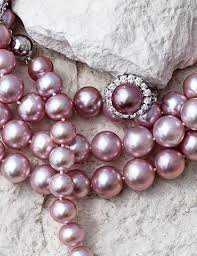
Pink pearls have long held a place in fashion, jewelry, and cultural symbolism as icons of elegance, sophistication, and timeless beauty. The New York Times recently highlighted these gems as “classic ones,” emphasizing their enduring appeal in both traditional and contemporary contexts. Unlike white or black pearls, pink pearls carry a unique warmth and subtlety, reflecting both refinement and individuality. Their allure transcends generational trends, making them a staple in luxury jewelry collections, bridal adornments, and high-fashion accessories. Understanding the significance of pink pearls requires an exploration of their origin, cultivation, aesthetic qualities, historical context, and cultural resonance. This article delves into the world of pink pearls, examining why they remain classics, how they are used in modern jewelry design, and their enduring symbolism.
Origins of Pink Pearls
Pink pearls are primarily sourced from saltwater and freshwater pearl-producing mollusks, often cultivated in regions such as Japan, Australia, the Philippines, and parts of the South Pacific. The unique pink hue arises from a combination of natural factors, including the mollusk species, water conditions, diet, and mineral content. Unlike artificially colored pearls, naturally pink pearls are rare, which enhances their desirability and market value. Cultivation techniques have evolved over centuries, blending traditional knowledge with modern aquaculture methods to produce pearls with consistent luster, size, and coloration. Understanding their origin helps collectors, designers, and enthusiasts appreciate the complexity and craftsmanship involved in bringing these gems from the ocean to jewelry showcases worldwide.
Aesthetic Qualities and Appeal
The charm of pink pearls lies not only in their color but also in their luster, surface quality, shape, and size. Pink pearls often display a soft iridescence, reflecting light with a subtle glow that enhances their visual depth. Compared to other pearls, their warm undertones make them versatile for a variety of jewelry settings, from classic strands and earrings to modern, avant-garde designs. Round pearls are prized for symmetry, while baroque shapes appeal to those seeking uniqueness and organic beauty. Jewelry designers often pair pink pearls with metals like rose gold, platinum, or silver, which complement their natural hues and enhance their elegance. These aesthetic qualities contribute to their reputation as “classic” pearls, bridging timeless appeal with contemporary versatility.
Historical Significance of Pink Pearls
Pink pearls have a rich history that spans centuries. They were coveted by royalty, nobility, and influential figures in Europe, Asia, and the Americas. Historical records show their use in coronation jewelry, ceremonial adornments, and high-society fashion, often symbolizing purity, femininity, and refined taste. In the Victorian era, pink pearls were particularly fashionable among aristocratic women, while in modern times, they are embraced by celebrities and fashion icons for their understated yet luxurious allure. Their historical significance reinforces the idea that pink pearls are more than mere decorative objects—they carry cultural narratives, personal stories, and symbols of status and sophistication across time.
Pink Pearls in Modern Jewelry Design
Contemporary jewelers have embraced pink pearls as versatile and expressive elements. Designers combine them with diamonds, colored gemstones, and innovative metalwork to create pieces that appeal to both traditional collectors and modern fashion enthusiasts. From minimalist stud earrings to elaborate statement necklaces, pink pearls can convey elegance, romance, or boldness depending on the design. Fashion brands often incorporate them in seasonal collections, bridal accessories, and red-carpet ensembles, demonstrating their adaptability. Additionally, modern design emphasizes sustainability and ethical sourcing, ensuring that consumers can enjoy pink pearls with confidence in their environmental and social impact.
Symbolism and Cultural Resonance
Pink pearls symbolize love, compassion, femininity, and emotional harmony. In various cultures, they are believed to promote emotional balance, attract positive energy, and enhance confidence. Their association with romance makes them popular choices for gifts, particularly for weddings, anniversaries, and other milestones. Beyond personal adornment, pink pearls carry symbolic significance in art, literature, and fashion photography, where they are often used to convey grace, subtle power, and timeless beauty. Their enduring cultural resonance underscores why the New York Times highlighted them as classics: they continue to inspire admiration across contexts and generations.
Collecting and Valuation of Pink Pearls
Collectors and enthusiasts consider several factors when valuing pink pearls, including origin, size, shape, luster, surface perfection, and color saturation. Natural, untreated pink pearls command higher prices due to their rarity, while cultured pearls remain widely accessible yet retain strong aesthetic appeal. The market for pink pearls spans luxury jewelry retailers, auctions, and private collections, reflecting both their desirability and investment potential. Knowledge of grading standards, certifications, and ethical sourcing practices is essential for collectors who wish to ensure authenticity and long-term value. Understanding these aspects allows buyers and enthusiasts to appreciate the artistry and natural beauty behind each pearl.
Caring for Pink Pearls
Proper care preserves the luster and longevity of pink pearls. Unlike gemstones, pearls are organic and sensitive to chemicals, heat, and abrasion. Recommended care includes storing them separately from other jewelry, wiping them with a soft cloth after wear, avoiding contact with perfumes and cosmetics, and periodic professional cleaning. By maintaining pearls properly, owners ensure that their color, shine, and structural integrity remain intact, allowing these timeless gems to be passed down through generations as heirlooms or treasured collections.
Pink Pearls in Popular Culture and Media
Pink pearls continue to feature prominently in popular culture, from fashion magazines and celebrity red-carpet appearances to literature and cinema. Their frequent appearance in media reinforces their status as symbols of elegance, sophistication, and romantic charm. Iconic images in film, photography, and editorial spreads often highlight the unique beauty of pink pearls, inspiring new trends in jewelry design and personal styling. Their cultural visibility ensures that pink pearls remain relevant and aspirational, bridging the gap between classic luxury and contemporary fashion.
Conclusion
Pink pearls represent more than mere decoration—they are embodiments of history, culture, craftsmanship, and timeless elegance. Recognized by sources such as the New York Times as classics, these gems continue to captivate collectors, fashion enthusiasts, and jewelry designers alike. From their natural origins to their sophisticated aesthetic appeal, pink pearls maintain relevance across centuries, blending traditional values with modern innovation. Proper care, thoughtful design, and appreciation of their symbolism ensure that these pearls remain treasured pieces for personal adornment and cultural significance. Their enduring allure affirms that pink pearls are not just fashionable—they are timeless.
Frequently Asked Questions (FAQ)
What makes pink pearls special compared to other pearls?
Pink pearls are prized for their warm, subtle hues, natural iridescence, and symbolic associations with love, femininity, and elegance.
Where are pink pearls commonly sourced?
They are cultivated in saltwater and freshwater environments, particularly in Japan, Australia, the Philippines, and South Pacific regions.
How are pink pearls used in modern jewelry?
Designers incorporate them into earrings, necklaces, bracelets, and bridal jewelry, often pairing them with precious metals and gemstones for versatility and sophistication.
How should I care for pink pearls?
Avoid harsh chemicals, store them separately from other jewelry, and clean them gently with a soft cloth. Professional cleaning is recommended periodically.
Why are pink pearls considered timeless or “classic”?
Their historical significance, aesthetic versatility, cultural symbolism, and enduring popularity make them timeless pieces that transcend trends and generations.
Leave a Reply